Whenever I say the phrase “back-in-the-day”, it makes me sound old. Well, I am. I am 69 years old and have been in this cleaning, restoration, inspection, and instruction industry since September 1977.
I have seen so many changes in this industry, some that have helped to keep older guys like me in the game longer. Like battery powered sprayers for applying preconditioners and your favorite low-moisture cleaning agents. High powered carpet cleaning extractors, with a built-in heater and stair climbing wheels. Tools for carpet and tile cleaning like counter rotating brush machines (CRB) (All we had back then was a scrub brush, rotary brushes or pads).
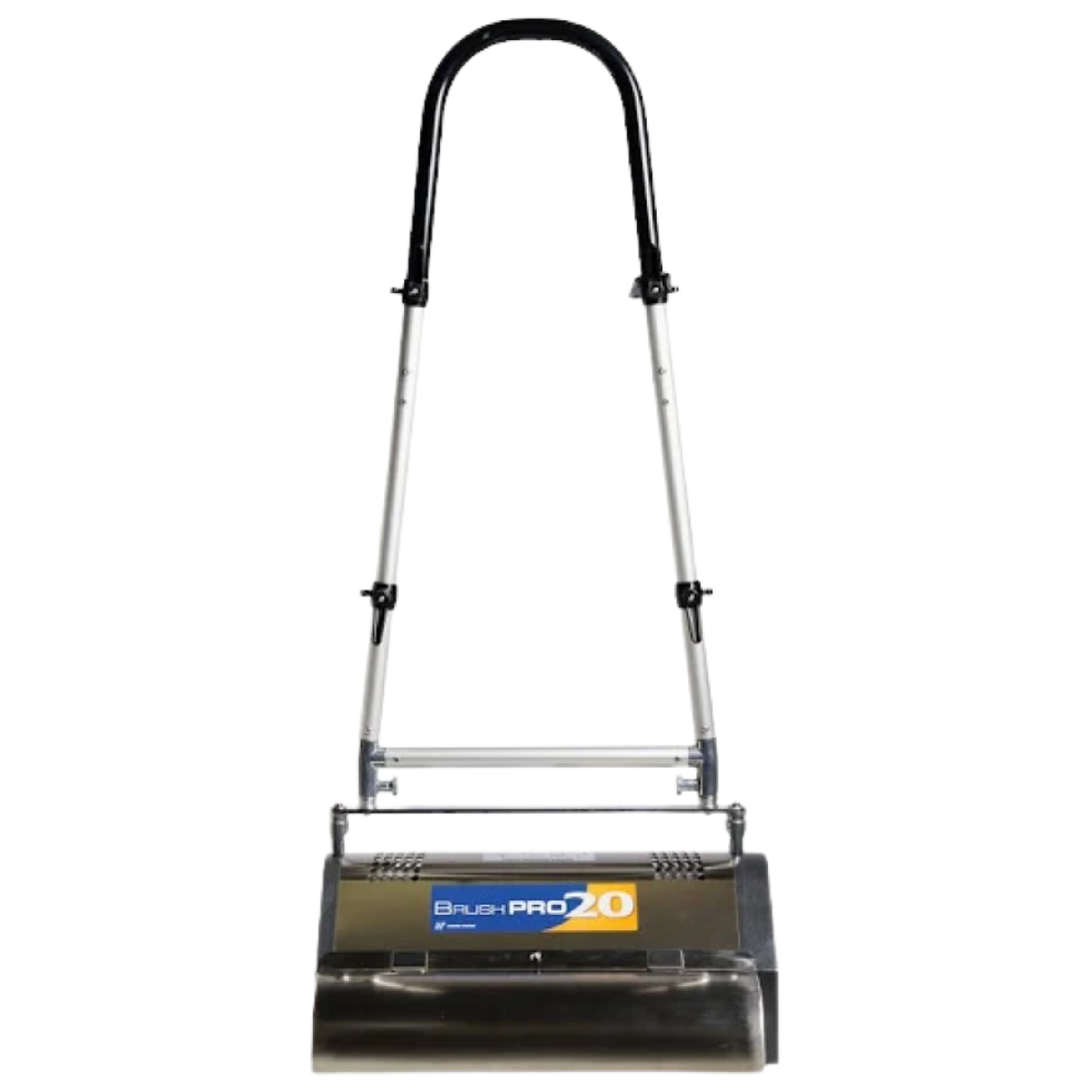
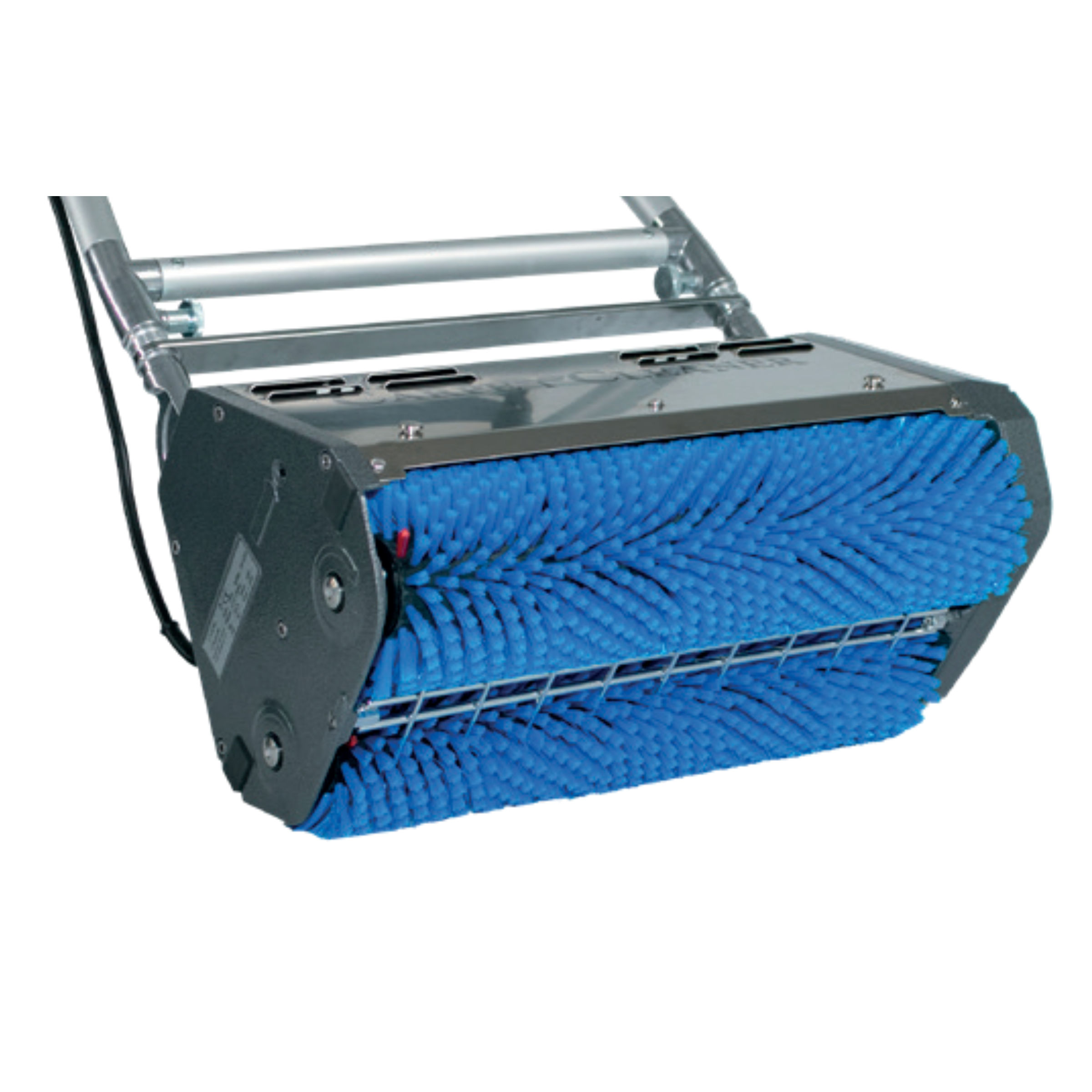
The CRB machine is one of those machines that made carpet cleaning and floor cleaning so much easier and productive, most especially in low moisture cleaning. Another invention was rotary jet extraction. If you have thousands of feet of commercial carpet to clean, are you going to wand all that?
Back in the day, we had 30 bottle (kidding) spot removal kits. Now it’s 6 and even then, you more than likely will only use three of them. The chemistry of cleaning has changed so much and spot removers are so effective and robust it has moved some stains into the spot category. AND they are gelling the solvents and rust removers – THANK YOU! But it’s about damn time. Forgive my frankness, but you remember chasing ink, oil, tar, and other spots if you apply the solvent directly to the carpet. I know, here comes the snarky comment, “but Maaarrrk, you’re supposed to apply it to the towel then apply it to the substance”. Sure, try that getting wads and wads of gum out of the carpet in the restaurant, party center, or theater. Now I don’t have to worry (as much) about possible delamination of the carpet or the possibility of dissolving the adhesive holding the carpet to the subfloor.
There are now more powerful, stabilized one-part reducing and oxidizing agents to remove stains instead of using a towel and steam iron. I still use steam to speed up the reaction, but I am now using a garment steamer so I can see the reaction occurring before my eyes instead of under a towel. As I always say, these stain removers do not know the difference between the stain you are trying to remove, or the color of the carpet.
Back in the day, I took my ONE DAY Water Restoration Technician class with Lloyd Weaver – the class is now 3 days. Lloyd was a crotchety dude that told it like it is. He was also the inventor of the turbofan. Back then it was the squirrel cage fan from a typical furnace/air conditioning system with a snout, protective screen over the moving parts, a handle, and electric plug.
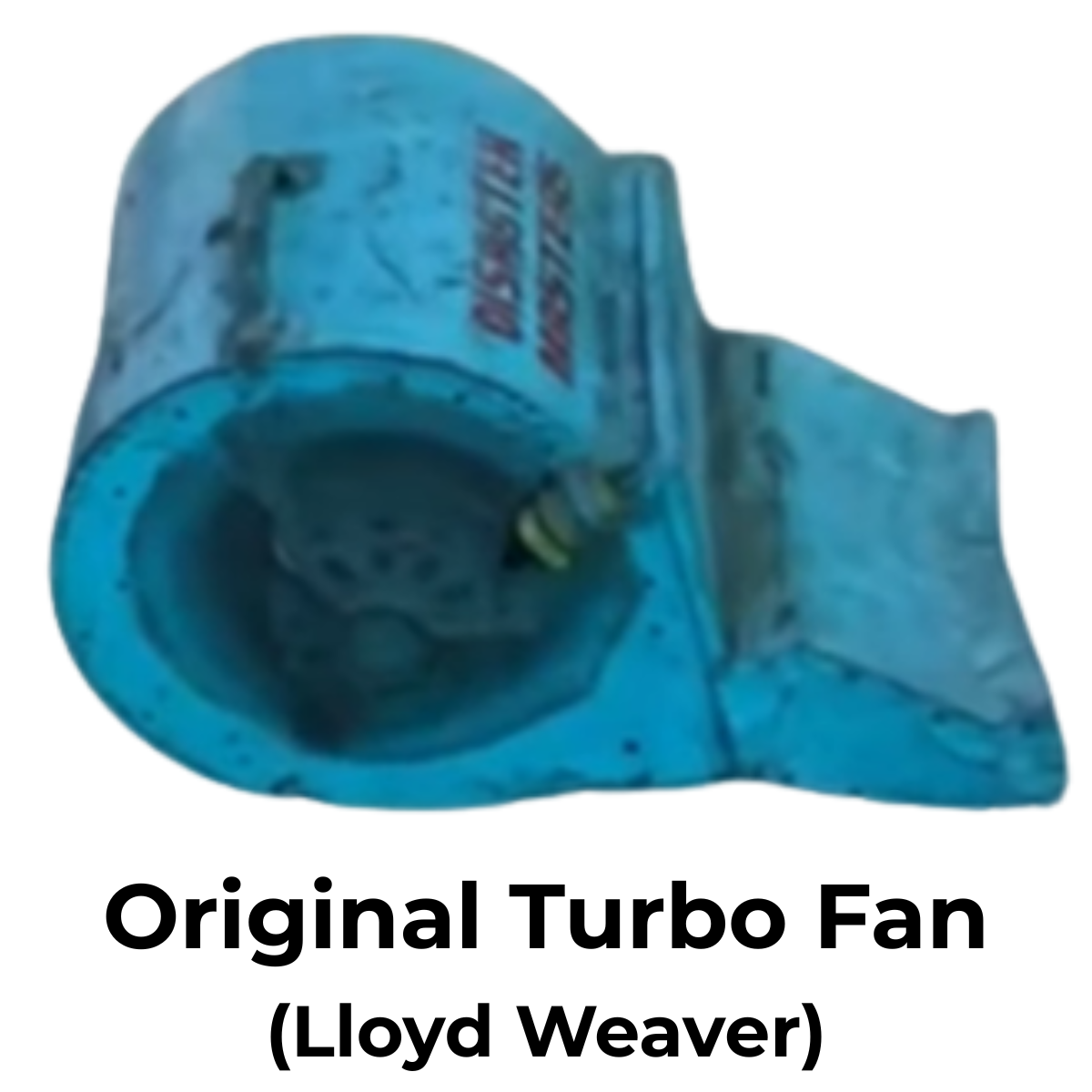

Be sure you have it grounded or bzzzzzztt. HAHAHAHA! Older homes did not have three prong outlets. Ground Fault Circuit Interrupters (GFCI) for equipment was not widely used or available yet. (Maybe I fried my hair follicles…)
He was telling the class about sewer backups and what you see on the carpet after the water recedes. “Ya know fellas, those round brown things on the carpet ain’t tootsie rolls. Ya might as well fall down and roll around in that shit cause you’re going to get it on ya anyway.” Today you wear a Tyvek suit, which was not widely available at the time. Hope there were boots in the truck and maybe a raincoat. More often, not.
The coolest tool that entered the carpet installation and repair scene in the early 2000’s was the KOOL GLIDE.
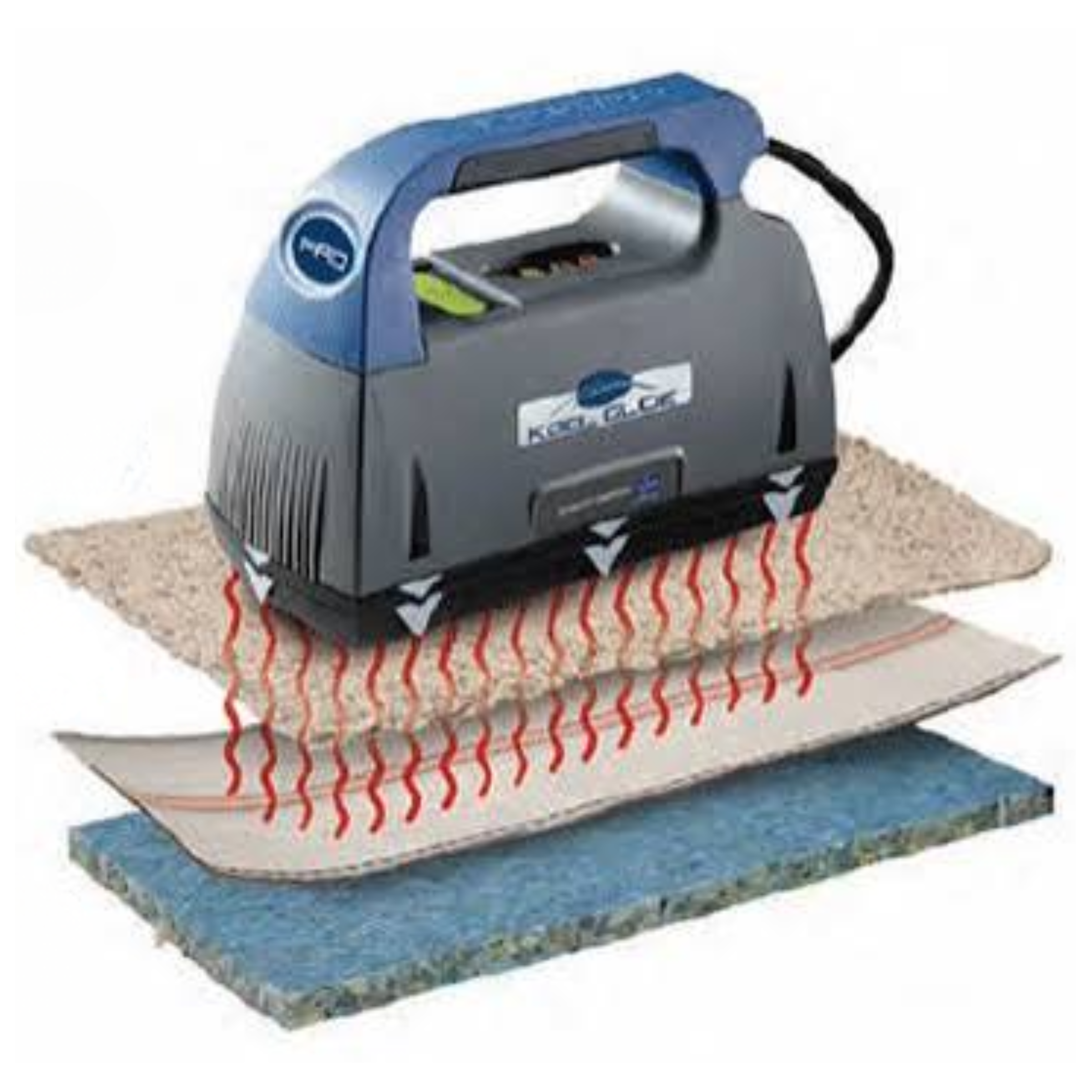
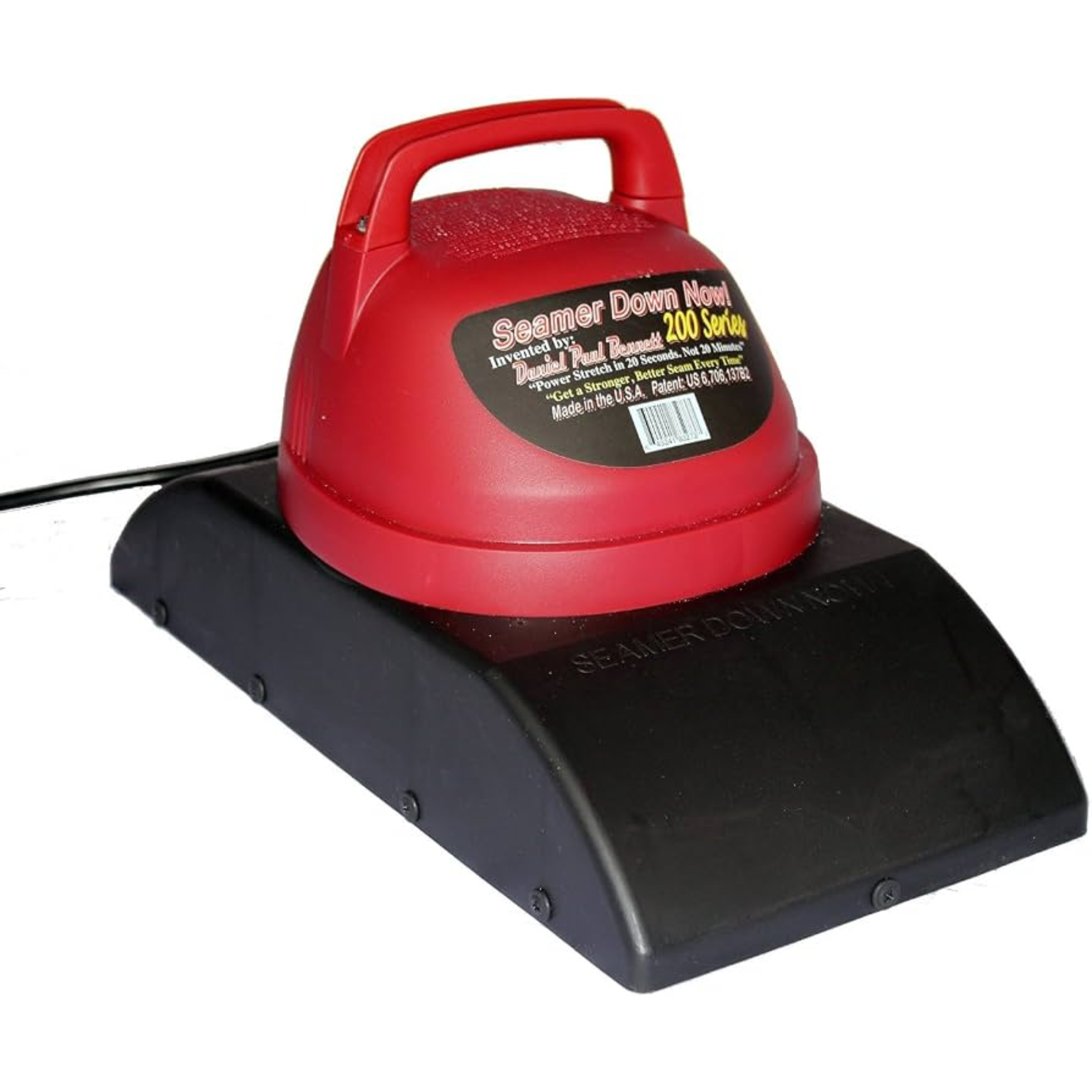
A radio frequency tool that is placed on top of the carpet, over a special seaming tape, which cycles to melt the thermal plastic to make the seam. Seaming from the top of the carpet. Who would have thought. I used to use my plastic tool tray to weight the seam, others had a special seam weight. I have now switched to using the Seamer Down Now carpet seam cooling tool. This is another one of those tools that has made seaming carpet easier, faster, and makes a better-looking seam.
It was 1992 when I took my Senior Carpet Inspector class taught by none other than Ed York, the founder of the IICUC now IICRC. At the time the only thing I was inspecting was carpet because the manufacturers of wood, ceramic tile, vinyl and linoleum were being done by sales representatives. Things changed rapidly for the inspection industry in 1995 when Pergo hit the shores of the US. That was the beginning of the era of inspection broker companies. They worked with flooring manufacturers to find an inspector wherever the inspection was needed. There was one company in particular called L & N Services, owned by Lou and Nancy Sweigert. Back in the day, they provided a week-long training program to inspect carpet, but primarily laminate and engineered wood floors. The cost – $300.00 for A WEEK OF TRAINING. They provided huge breakfast and lunch buffets. That training helped launch many now old and older guys, and women, inspectors across the country. They were not a certifying body, just training and inspection work. I would perform approximately 2-3 inspections a day for them. It sure helped launch my career and put me on the map as the go to carpet and flooring guy in NE Ohio and western PA.
Another thing that happened in 1995, I got my first computer with 50 MB hard drive or something like that. Our handheld digital devices have more memory and speed than that big box had.
Back in the day I was handwriting my reports and then my late wife, Maggie, who had an English degree, who could read my scribbles and type them out, would then submit the reports by mail along with the photographs. Remember shooting 24 pictures on an inspection and submitting 6-10 photos of the issues, because the commissioner was paying $$$ for each one (and that was if the lady behind the counter in the photo department didn’t say “I didn’t develop these, they were all of the floor”). Not anymore. Now I shoot 100+ digital photos and pick the best and submit 80 or more. When companies went digital, I scanned the photos and emailed or faxed them through the squealing internet. After Maggie died in 2012, my oldest daughter Jessica stepped into the role of making me look good. She is my protégé. Of course, she was trained by her mother how to write her papers while in college. Now, she is married to a guy who teaches High School English. I am fortunate and blessed to have a team of daughters (Jessica, Claire, and Alyssa) who work with me in one way or another.
I believe it is up to us as instructors and inspectors to mentor and share our knowledge with the next generation. I feel it is more our duty to payback what our occupation has provided us and to volunteer our time to work on the Industry Standards committees, to write articles and participate in podcasts to share your knowledge.
We stand on the shoulders of giants who formed this industry. It is always good to look back and remember where we came from to leap forward into the next chapter.
What tools, equipment or chemistry were game changers for you?