
Specifying the floor
What do you think about when picking a floor? In the 15+ years I have been in retail sales, the type, color, and style are the first things people think about. Rarely do people ask: what are the limitations of the product? What about the limitations of the environment? What is the area where it is being installed? All of these things, and more, are essential when thinking about the proper product for the installation.
As both a credentialed flooring Inspector and flooring salesperson, I have seen the wrong product specified or recommended for an installation. The hottest flooring on the market right now is a floating vinyl plank floor. While this is easy to install, maintain, and has a wide color selection, it is not always the best answer for every installation. While it doesn’t have many limitations, the ones it has, if they are not respected, can make the installation fail. When a floor fails, the installer is frequently the first person to be blamed, but the root cause often lies months earlier in the specification phase.
Most salespeople can only go on what their sales rep says. Reps rely on what the manufacturer tells them. And sometimes a manufacturer's marketing claims outpace the technical reality of the product. Most of the time, a product can be used in a variety of settings, but if its limitations are not clearly communicated, failures occur. In my experience, few salespeople dig into the technical details. Even fewer if you ask architects and designers. If it looks pretty, it goes.
When researching a product, don't ask the box store. Ask someone who has been in the flooring business long enough to have seen that product succeed - and fail. I have had more than one customer tell me, “Well this person says I can!” Then by all means, go there and purchase the product. When it fails, don’t call me for the “I told you so.”
This problem stems deeper than the average household installation, sadly many a commercial job has failed because of a misspecification. While architects and designers go through years of schooling with very little of it directed at flooring. They are relying on the sales reps to help them put the proper product in the proper application. Many times this is fine, but sometimes it doesn't work on a national scale. The architect in California may not be thinking about the temperature swings Northeast Ohio gets or product that works in coastal North Carolina, may not work in the dry heat of Arizona. I have seen this lack of foresight affect entire buildings not just the floorcovering. Frustratingly the contractor, installer, and end user are stuck with someone else’s mistake.
Here are four real examples where specification failures caused real problems.
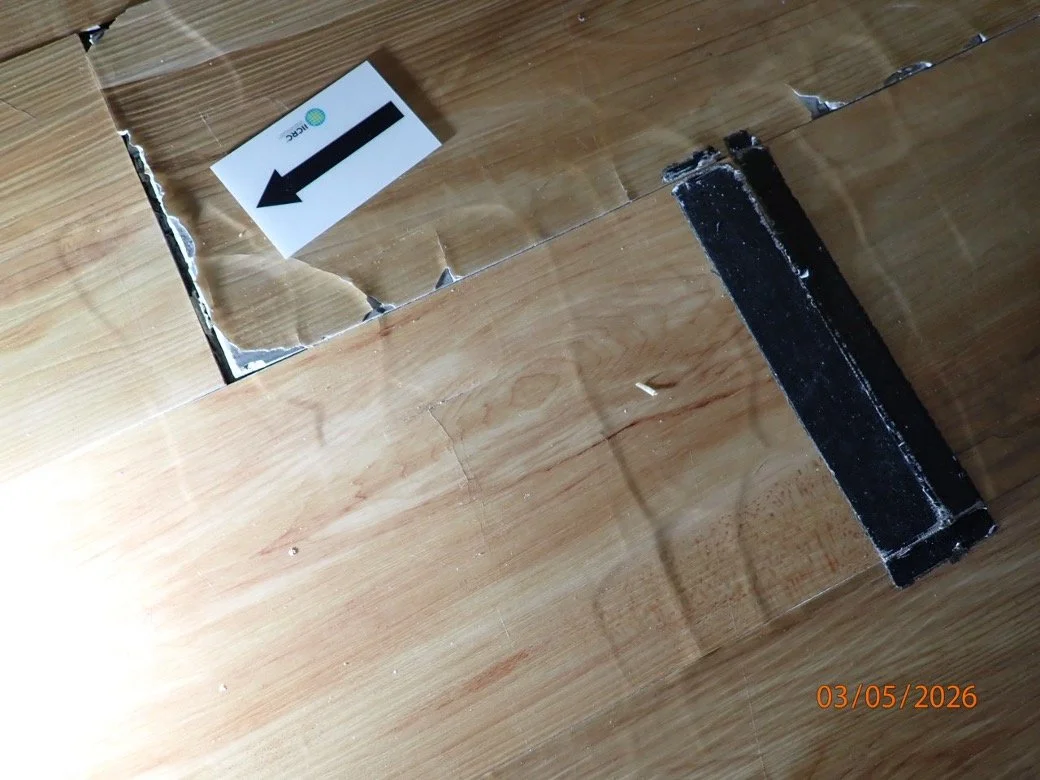
The nursing home failure is one that is the most preventable and sadly can be the most damaging. Too many times people go for easy rather than what is best for the building. While a floating vinyl floor can work in some applications, in a place with significant rolling load traffic, the locking mechanisms and the flooring will fail. It’s a matter of when, not if. EVERY manufacturer of vinyl flooring has a statement about rolling traffic in their installation or warranty. Most will include adhesive or installation limitations if rolling loads are expected. Even gluing down a locking floor will not make it suitable for an application with rolling load traffic. The locking mechanism is the weakest point and will fail. This failure is also seen in residential applications. The customer in a motorized wheelchair or even an occasional manual wheelchair can cause stresses on these floors.
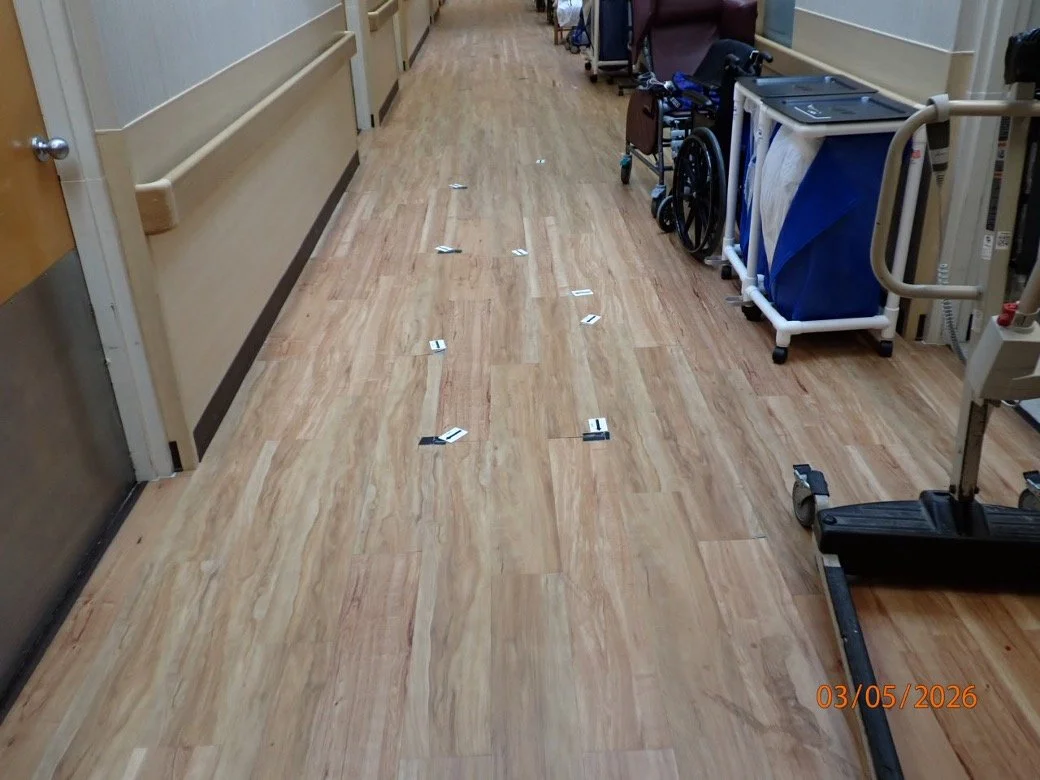
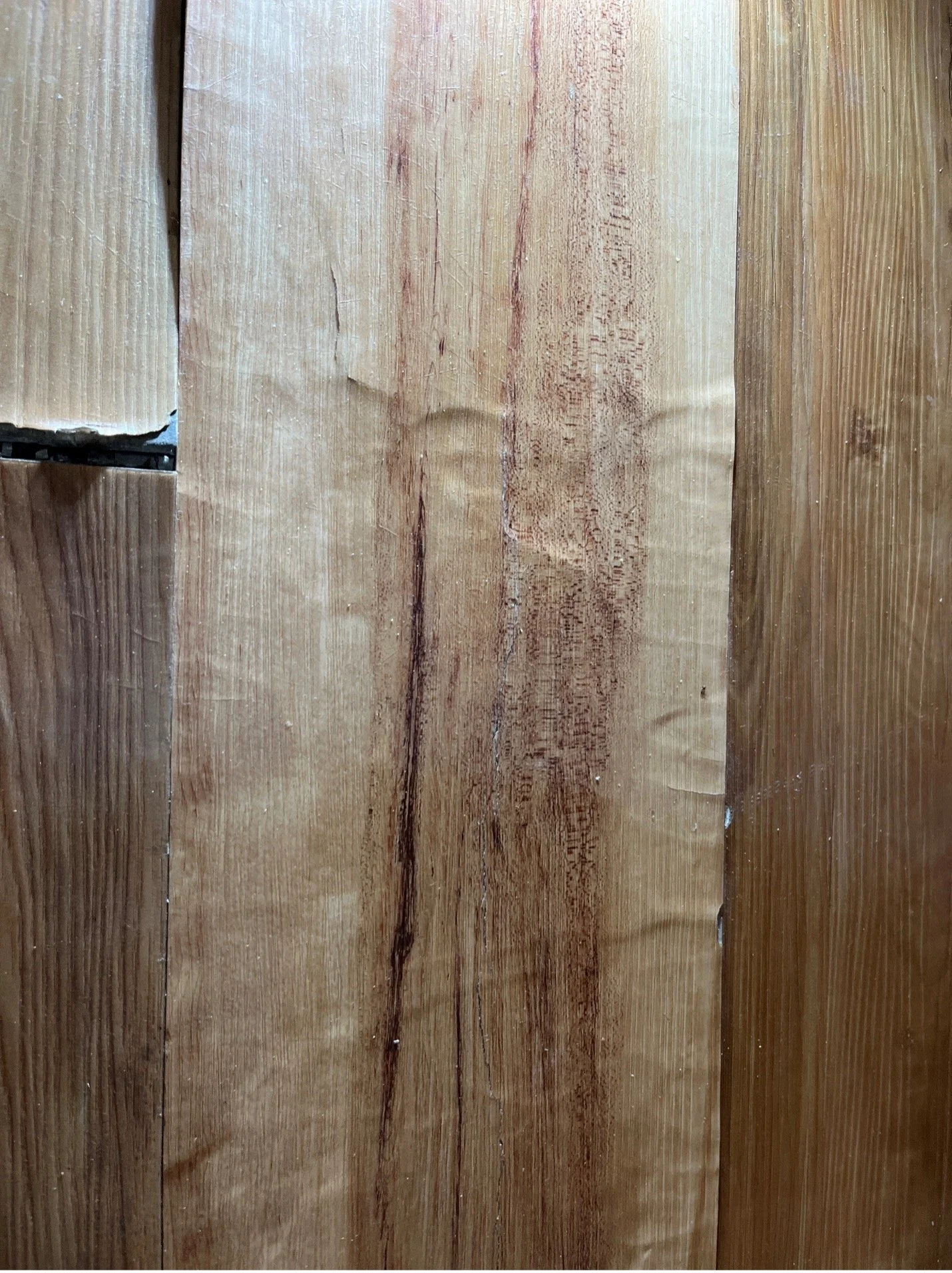
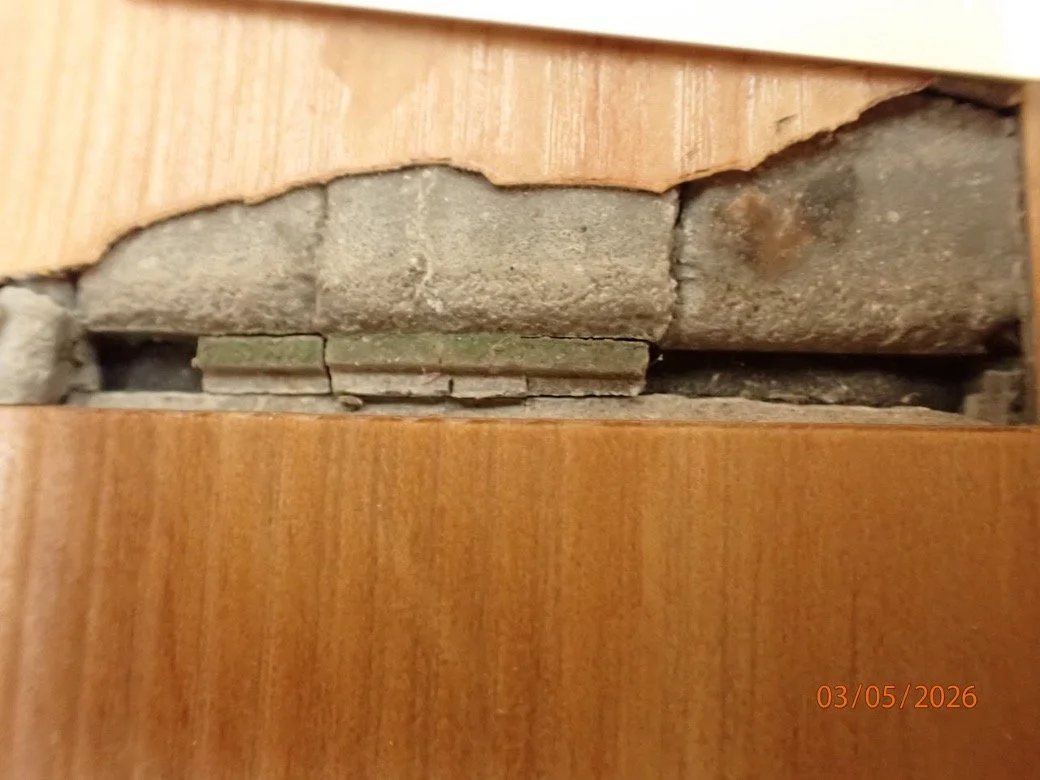
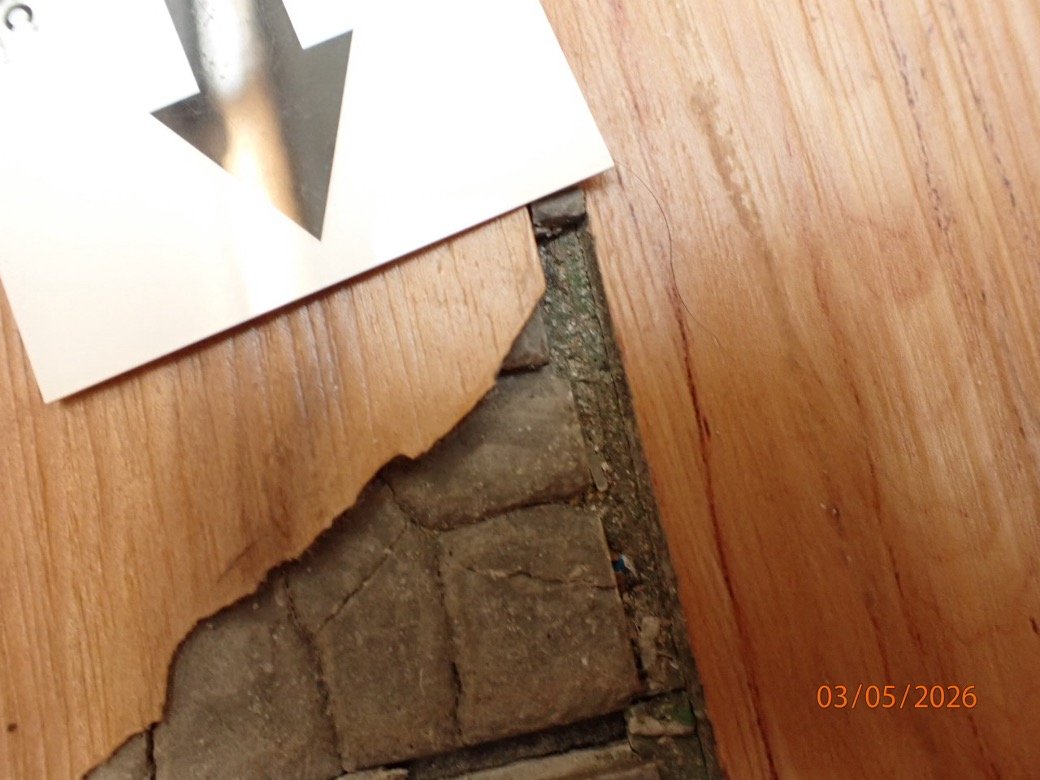
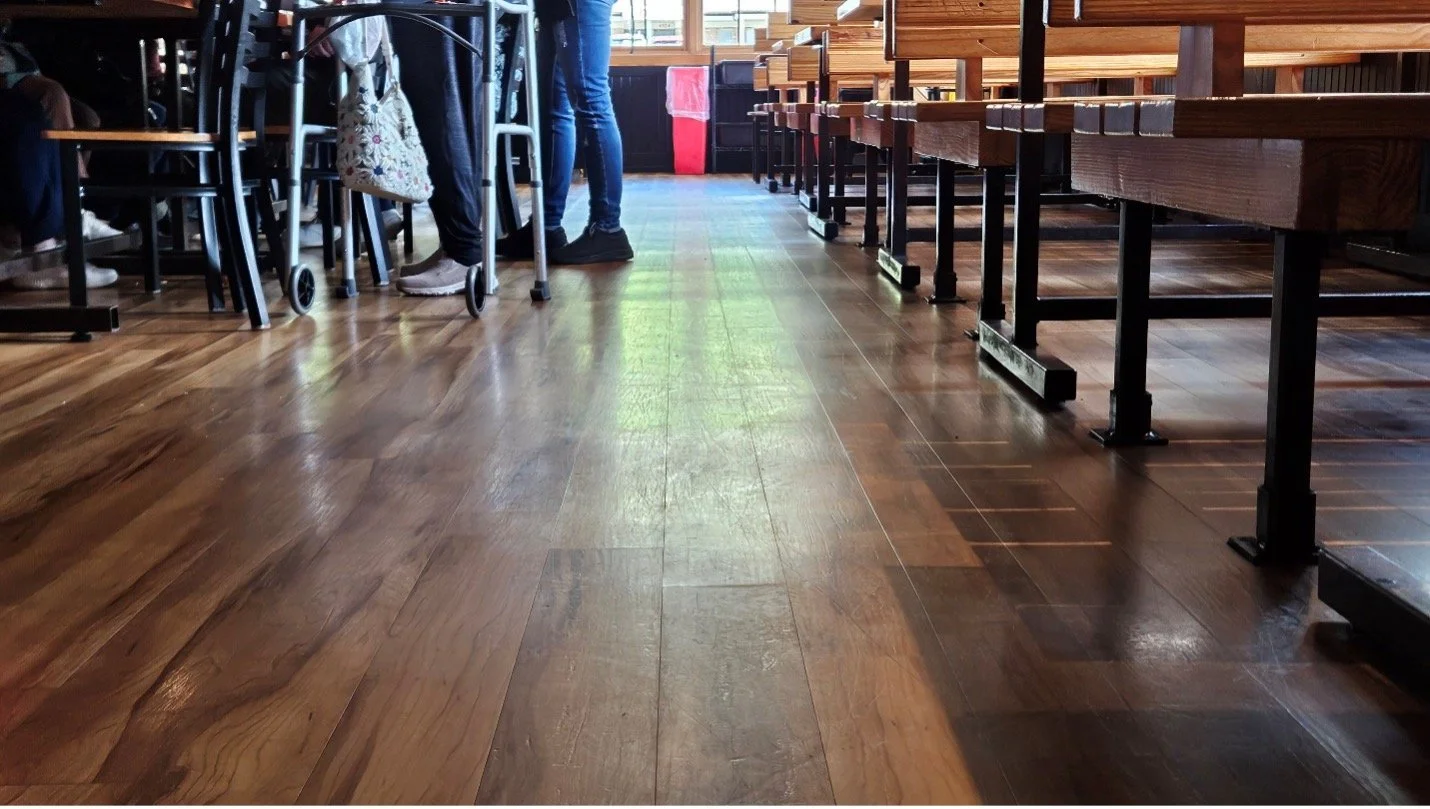
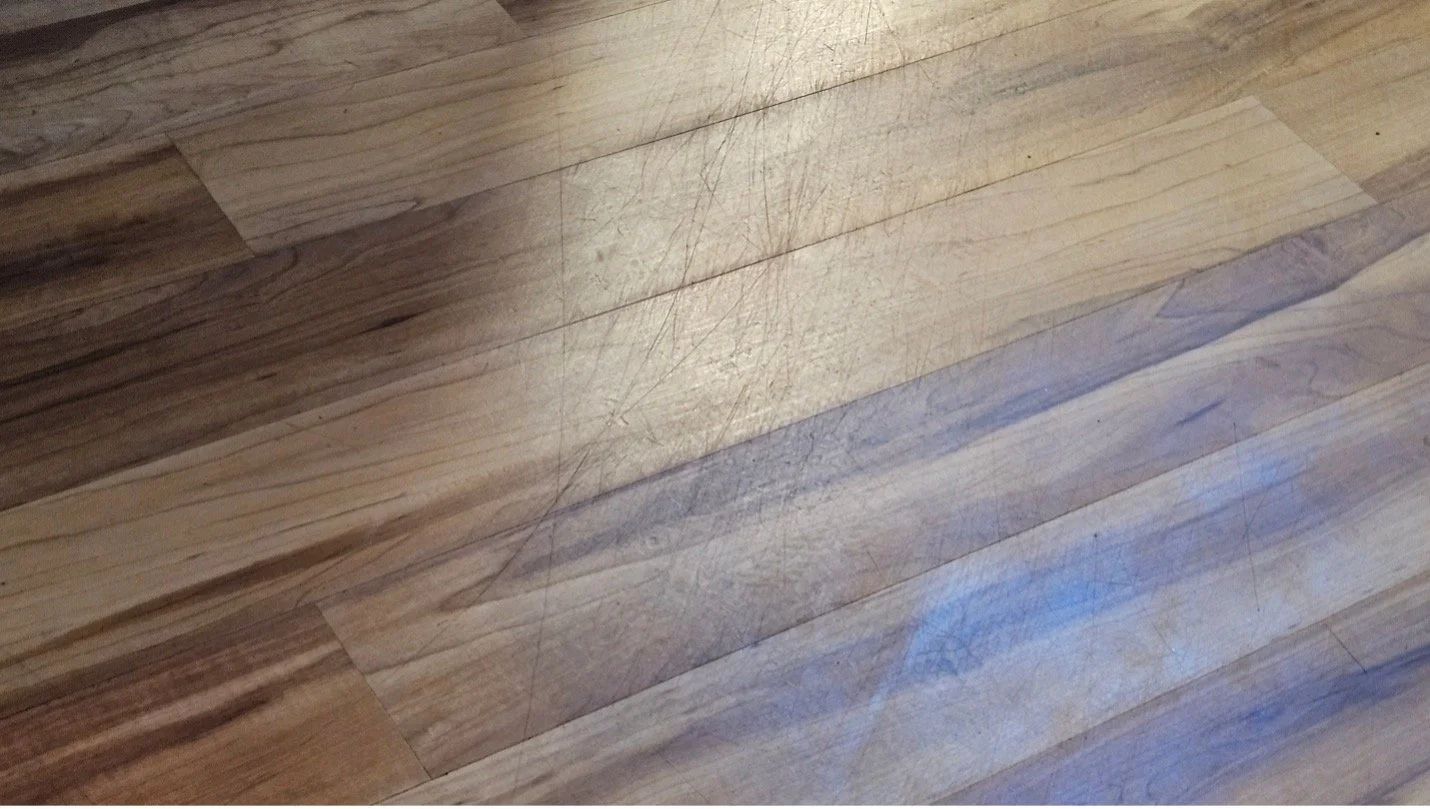
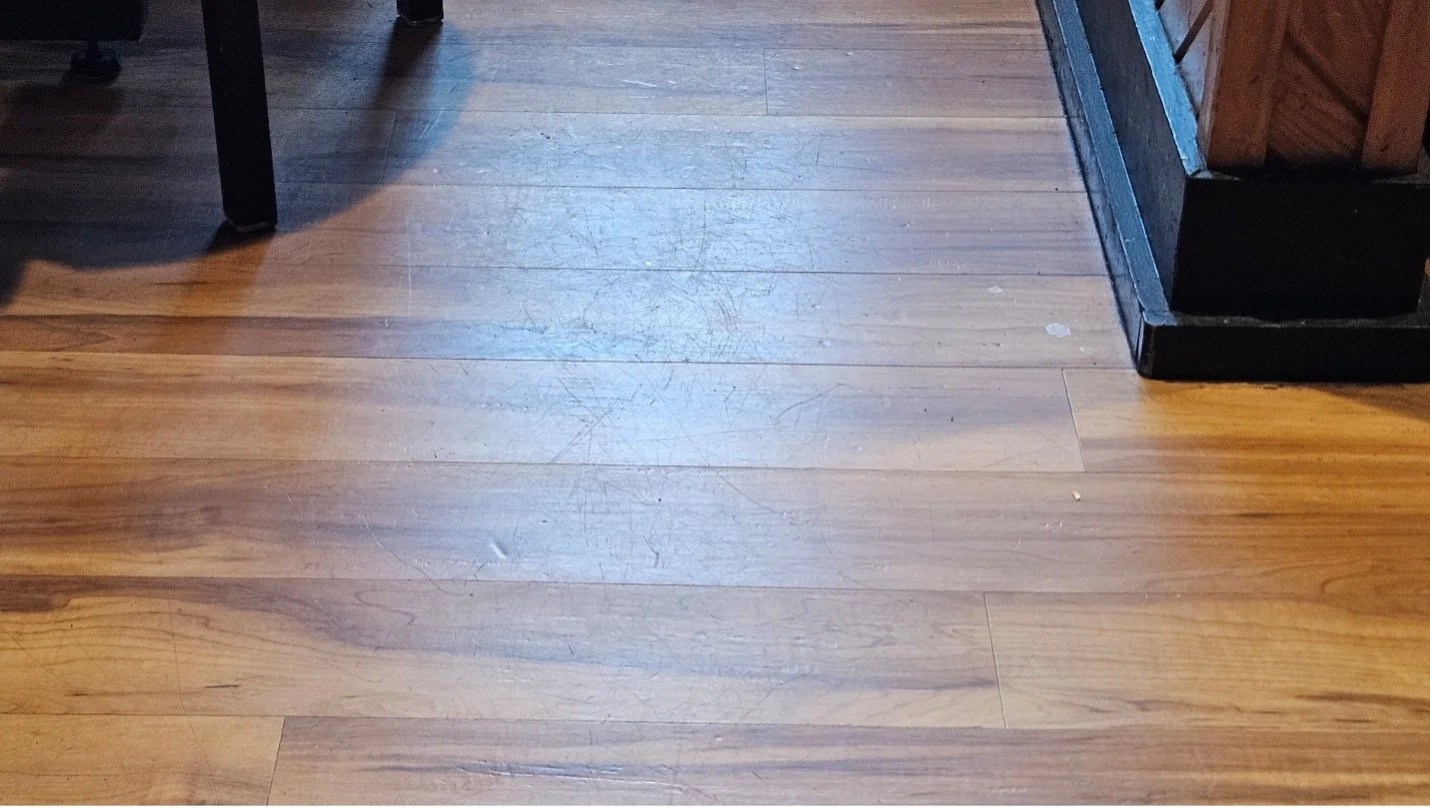
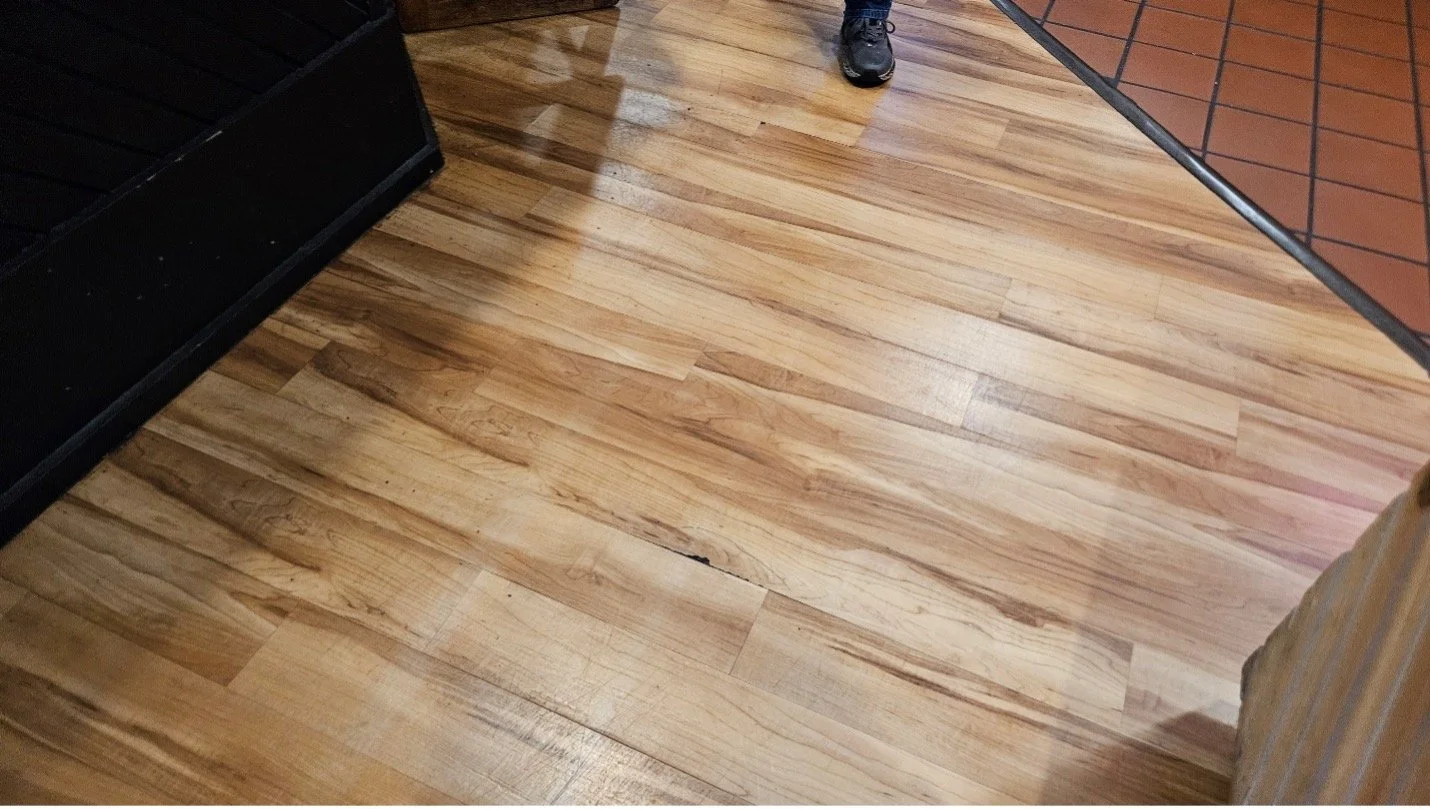
Many years ago when floating vinyl plank was still new in the market, a restaurant owner came in asking about flooring. The salesperson showed them floating vinyl plank and they fell in love with a color. I cautioned about using it in a big space with the amount of expected foot traffic and chairs moving across it. The salesperson said to me “it has a commercial warranty.” Ah, yes, a commercial warranty. What does a ‘commercial warranty’ cover? It usually only covers that the wear layer will hold up for X amount of years when used in commercial applications. It does not cover what the floor looks like now, which is curled under the bar stools, indented and scratched in trafficked areas, and chipped in the walkway from the kitchen. Wrong flooring for the application. The salesperson went off of what the back of the sample said. I see this error happen many times when an architect or designer sees something they like and specify it without checking whether it will actually hold up
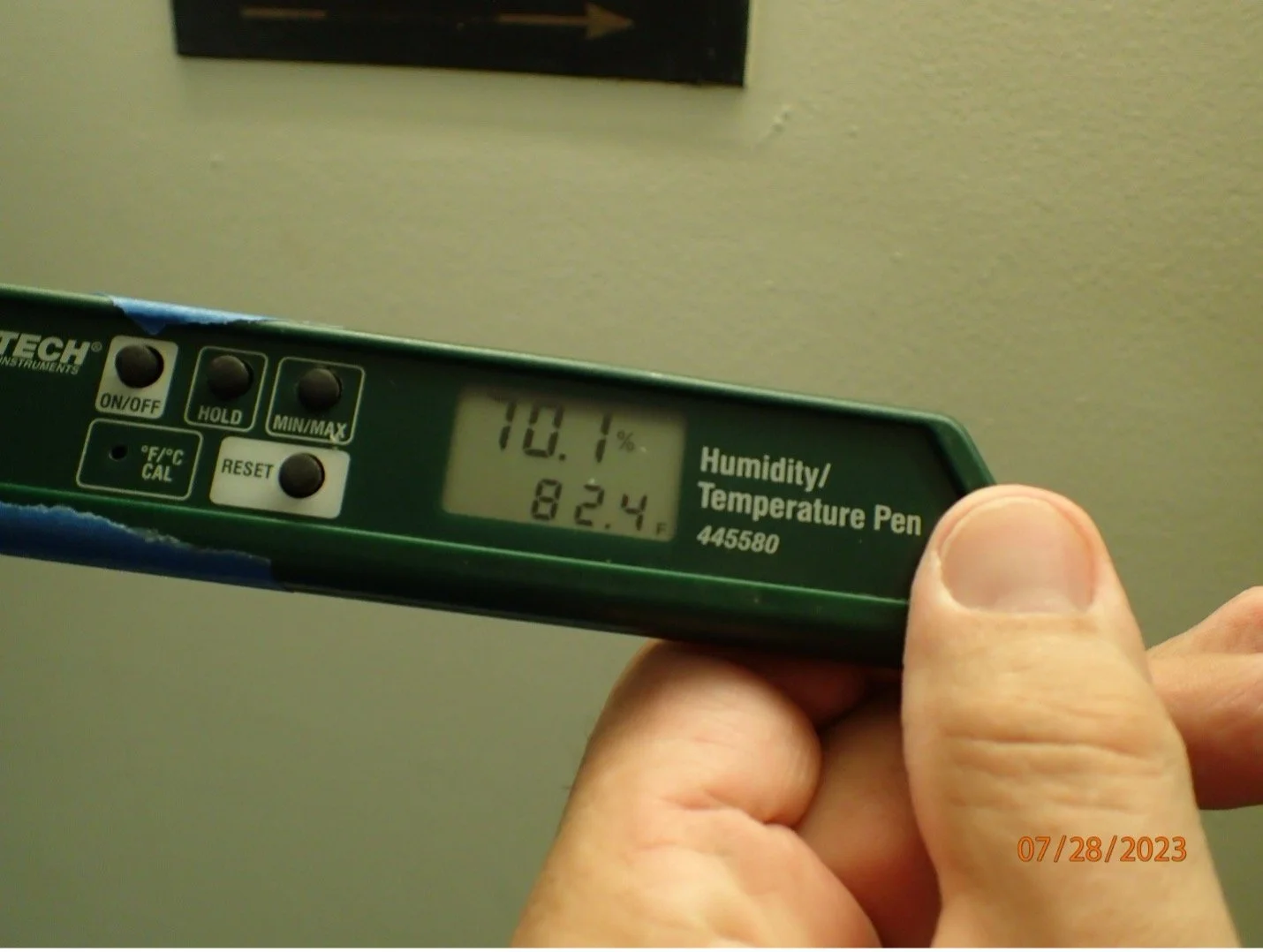
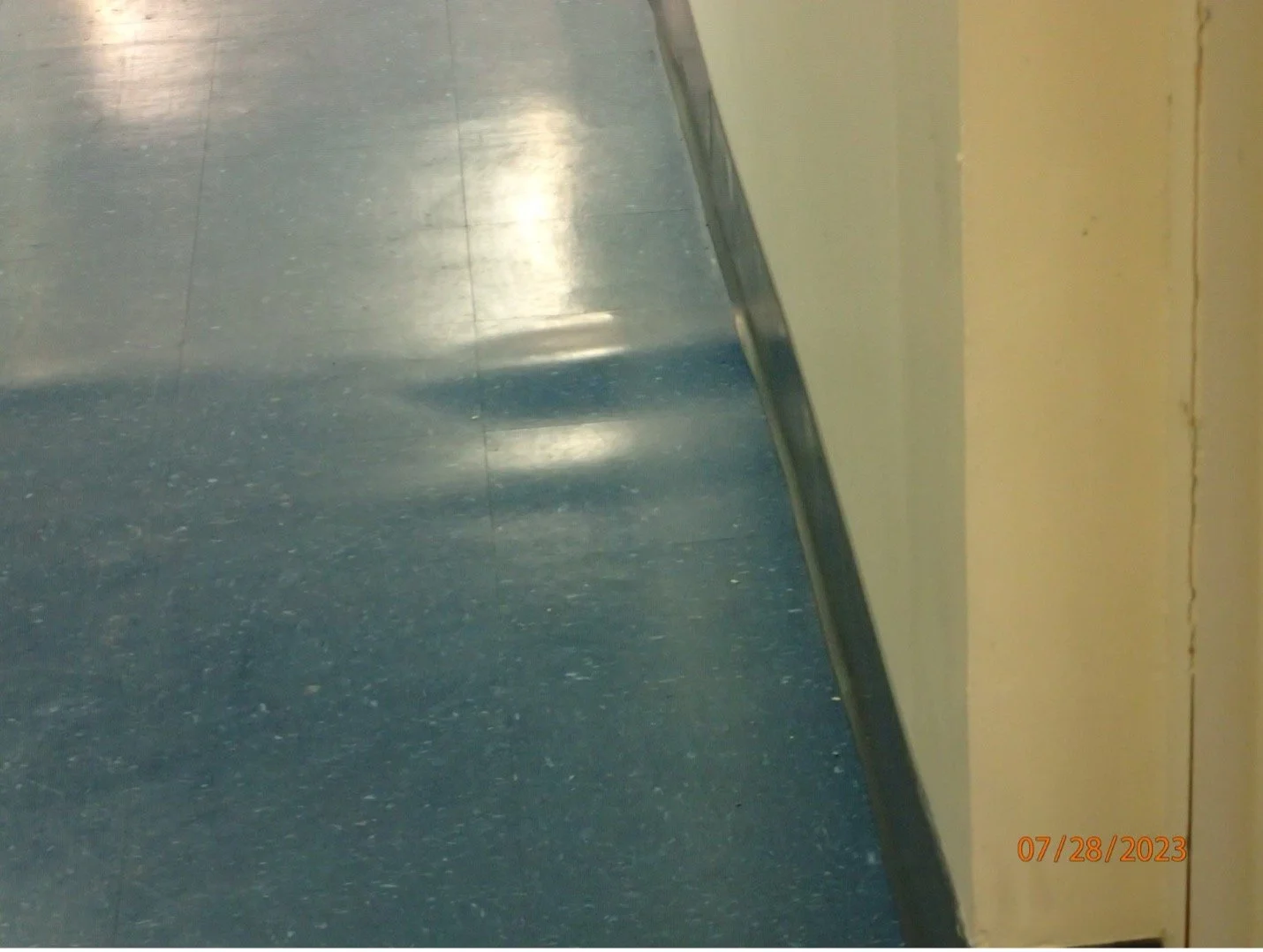
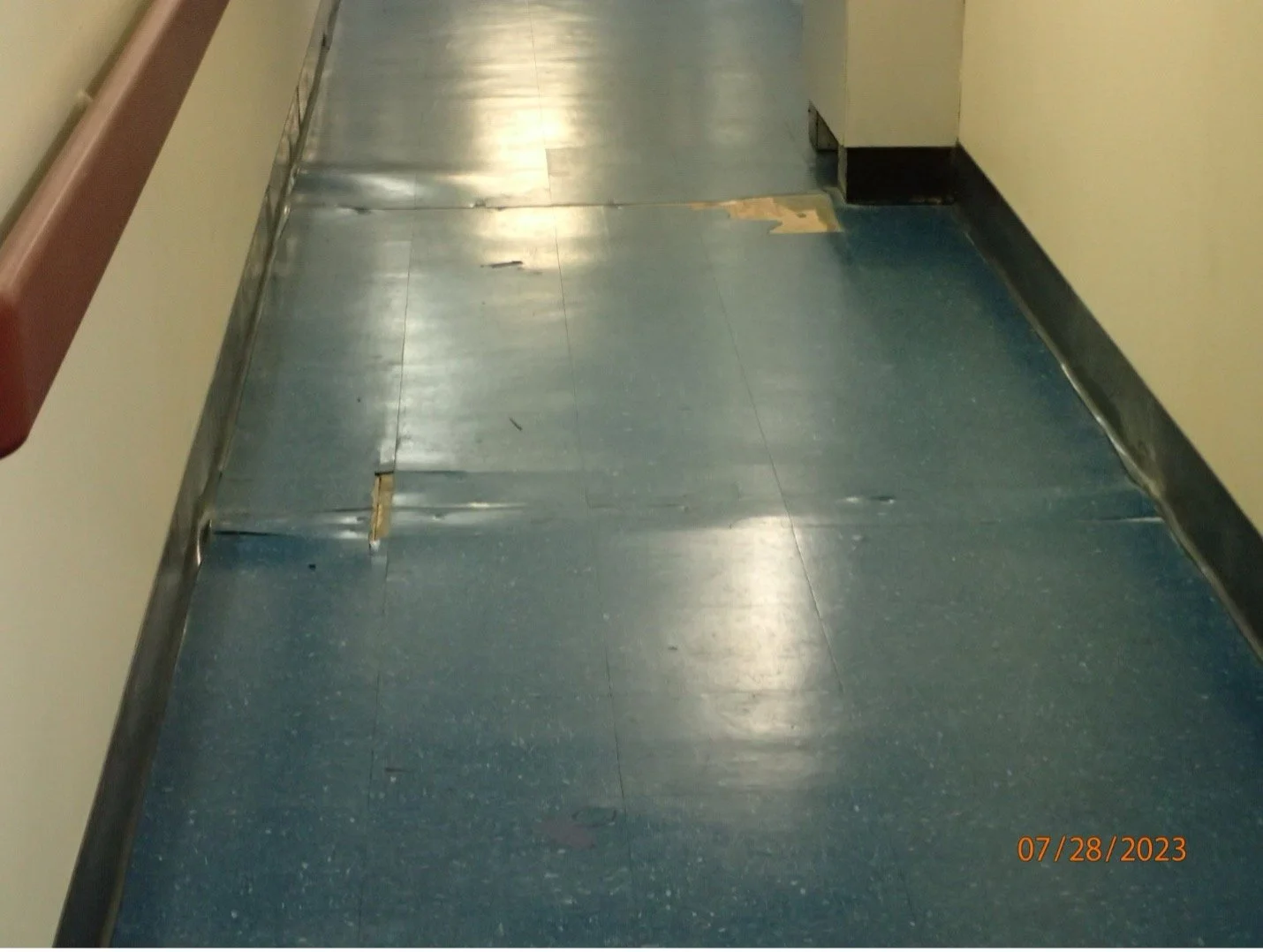
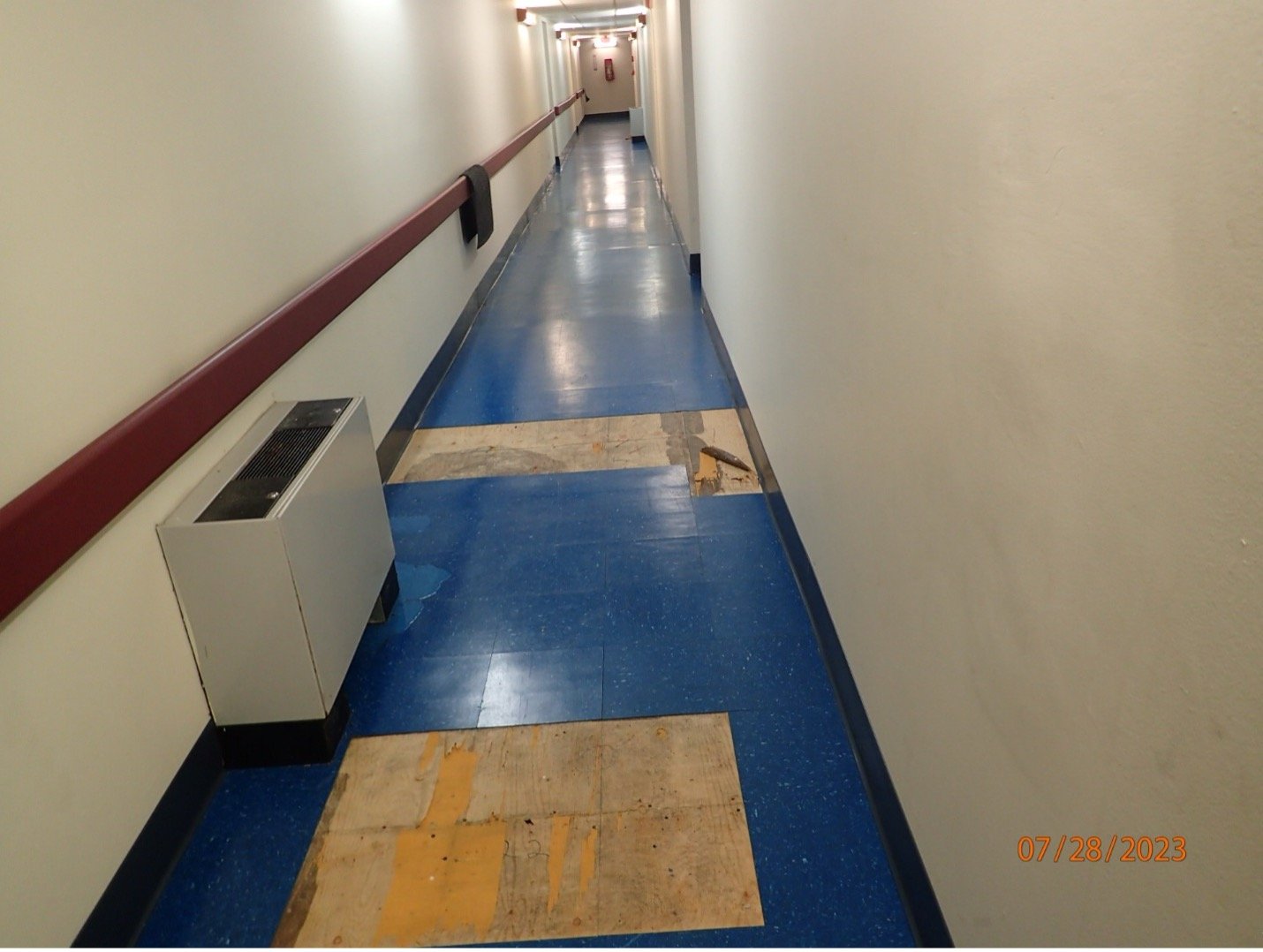
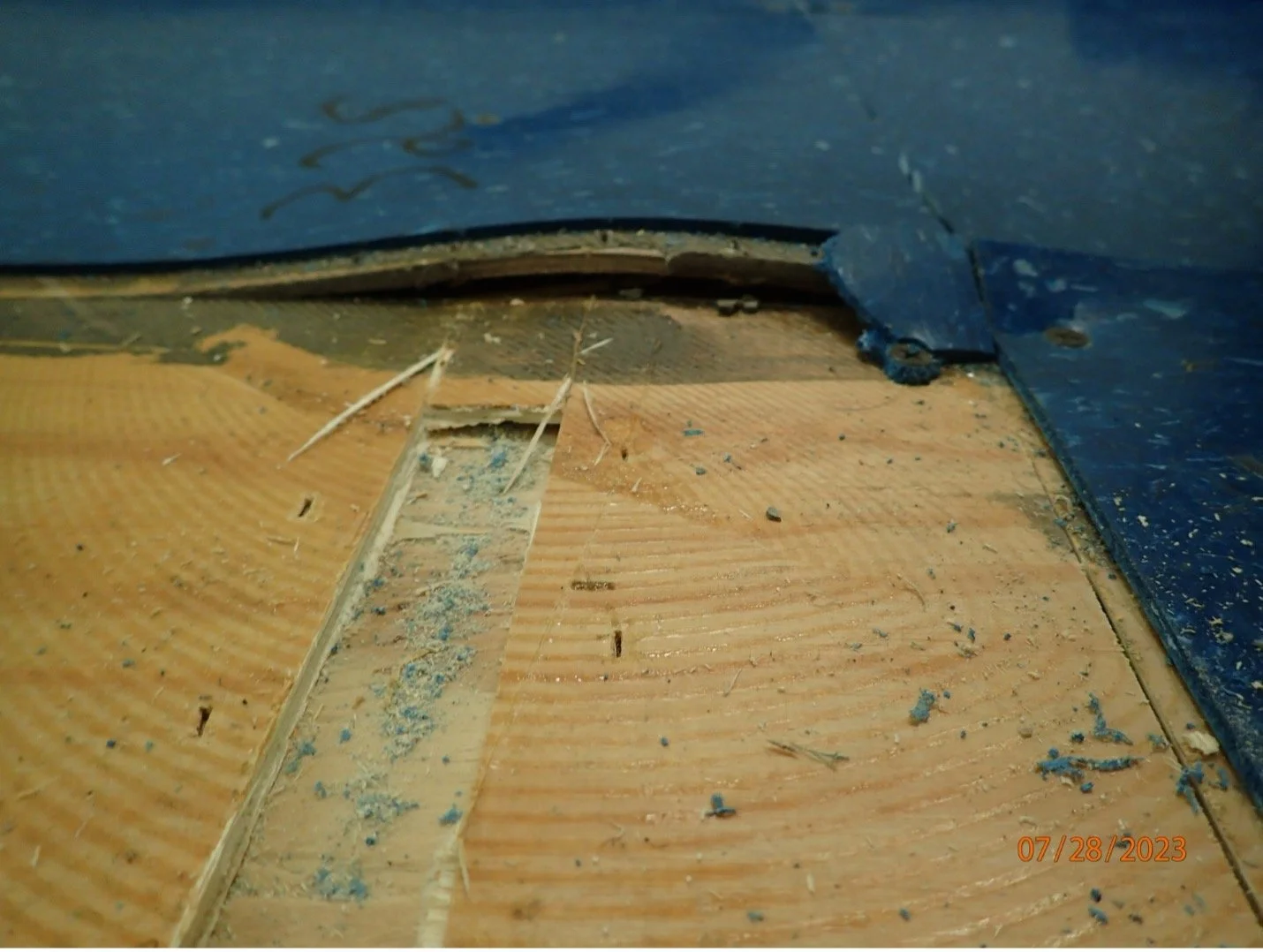
The floors in the hallways in a government housing complex in Cleveland were buckling, heaving, and causing significant issues. The previous flooring was carpet over particle board. The replacement flooring was VCT over new plywood underlayment. The corridors were not climate controlled except for radiators at the end of the hallways to give heat. The subfloor and flooring was installed October through March, prime heating season in Northeast Ohio. At the time of the inspection in July, the temperature in the areas was up to 80°F at up to 60% humidity. Any flooring under those conditions will exhibit dimensional change. The high-quality wood underlayment over the plywood subfloor swelled and buckled, causing tripping hazards. Upon more digging of the specifications, they came from an architect in California. The spec of changing the underlayment to one that is more susceptible to dimensional changes and putting a floorcovering that is not as forgiving as carpet in an area that is not climate controlled, is asking for the installation to fail.
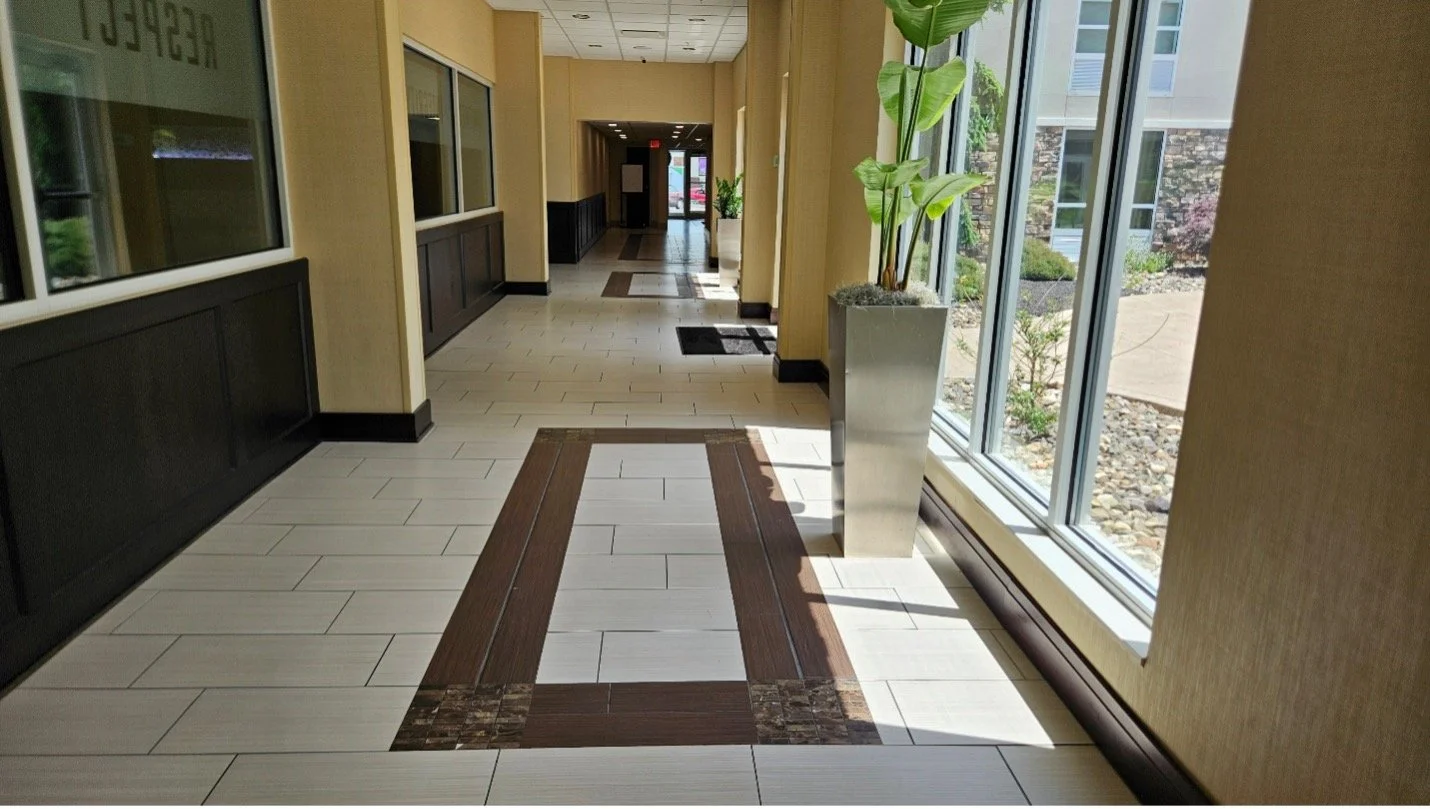
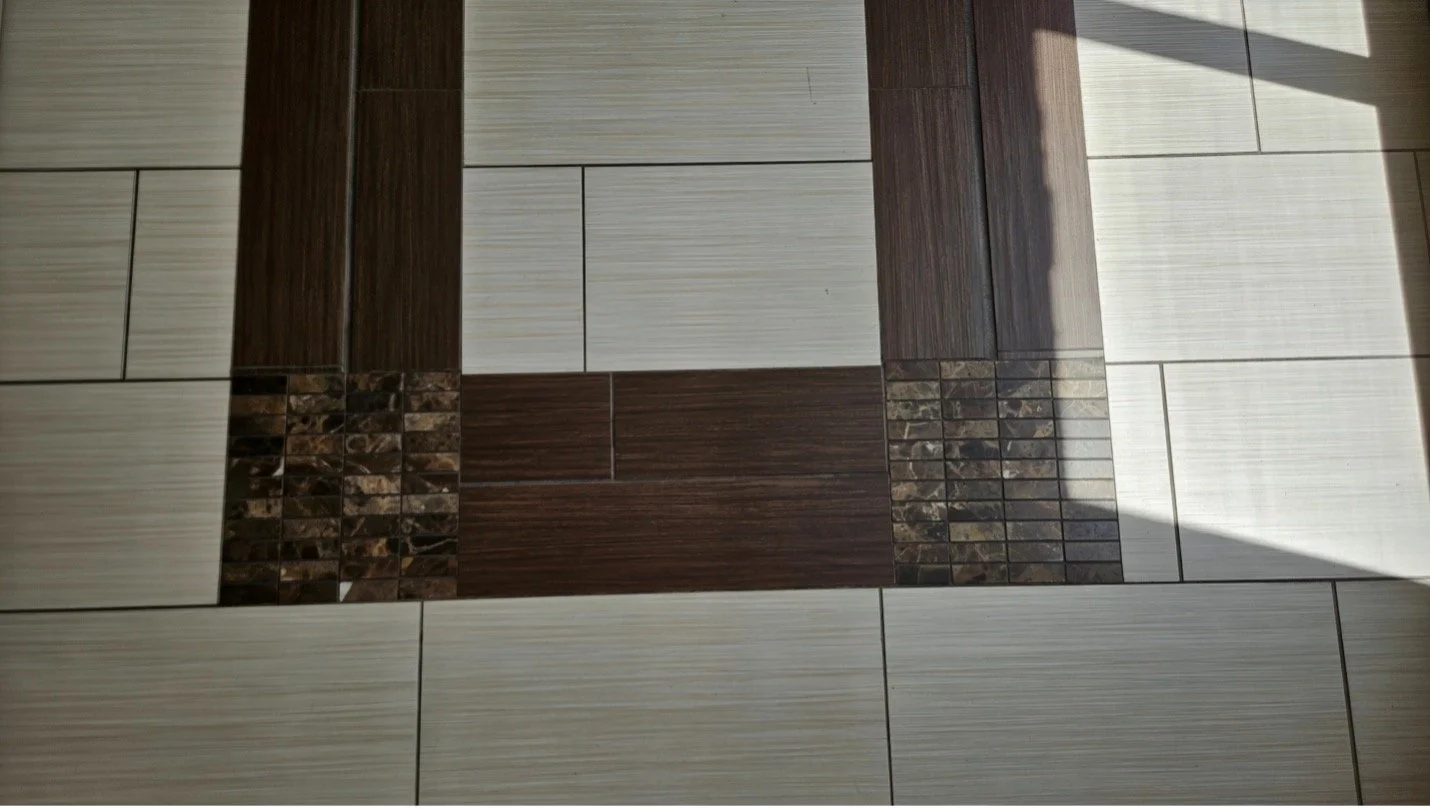
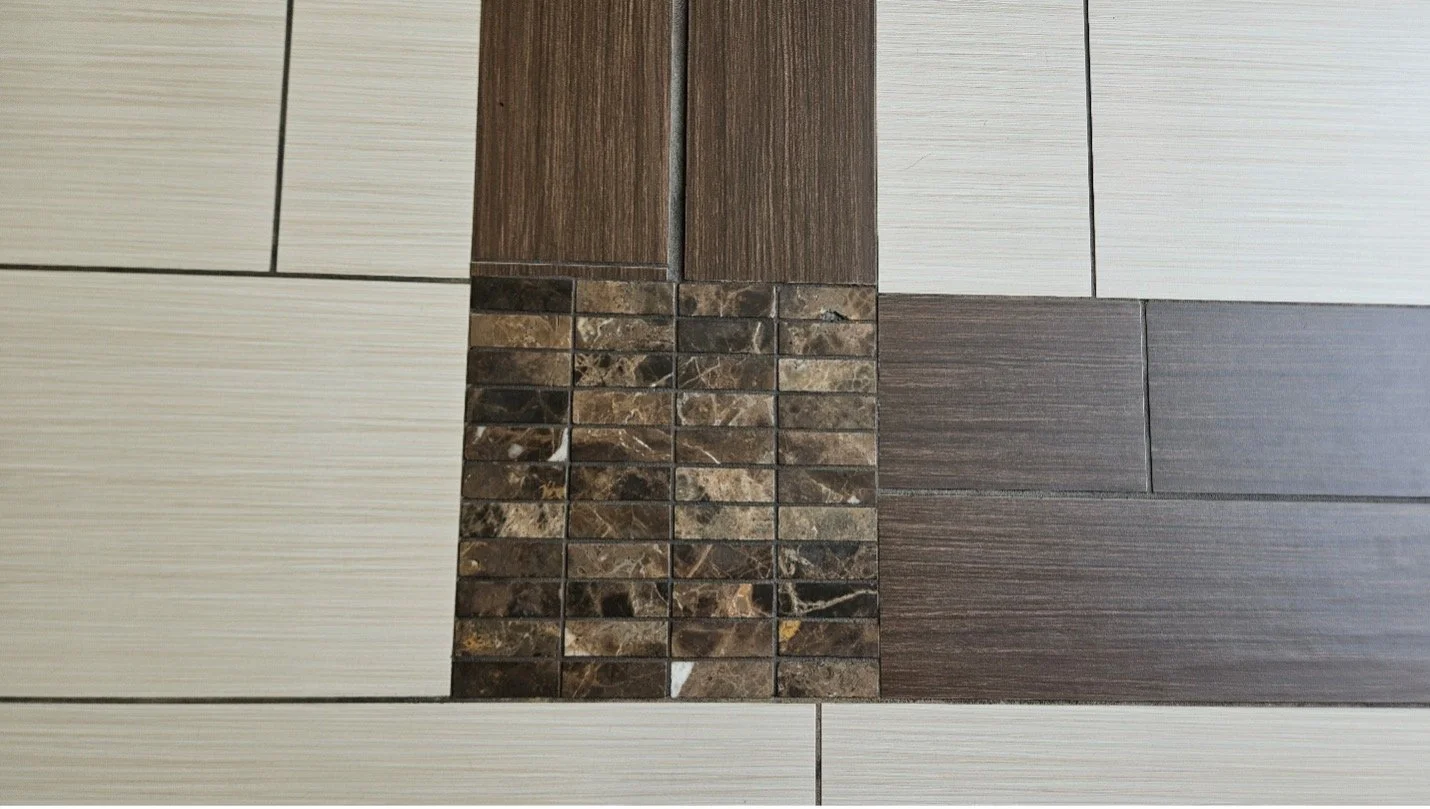
One overlooked specification issue is simply size. A designer once specified 2 foot color blocks of different carpet tiles in a hallway. The carpet tiles they specified for the space were 3 foot by 3 foot. When I asked if we could make the color blocks 3 foot so the contractors wouldn’t have to cut the carpet tiles, they seemed shocked to know that the tiles were 3x3 and agreed. Cutting anything to line up to a manufactured edge is difficult if there isn’t something to buffer the cut edge (trim piece, grout, etc). I once saw in a hotel, rug-like inserts in the tile floor. Upon closer inspection, some of the tile pieces were cut less than an inch around the perimeter. Working around enough contractors, I could hear them swearing just looking at that piece. Sometimes a small design adjustment can save significant labor time and a lot of headaches for everyone involved.
The Bottom Line
Good flooring design needs to go beyond the ‘pretty’ as the end result. Thought and research should go into each product chosen to understand how well it will work for the environment it is installed in. Going by what a rep says or just liking a color does not mean that product will work best over time. Be aware and understand the limitations of products. As a salesperson or rep don’t be afraid to say no to an installation that will fail. Your reputation goes along with how well that product stands up over time. By shifting the focus from "what looks good" to "what works here," we can elevate the standards of the flooring industry and provide lasting value to the end-user.